Here’s How You Can Show 'Pinoy Pride' This Coming Independence Day
Stand behind your culture!

Are you familiar with soft power? Hard power, which is often attributed to the financial, economic, and military might of a country, is something that’s pretty common; but soft power—which, according to Harvard Business School, is “the ability to shape the preferences of others” often through good will, leading by example, or even through attraction—remains abstract for most. South Korea is a country that’s doing a great job at it, especially when it comes to entertainment and tourism. Japan is another. But with the once-in-a-while spark of “Pinoy Pride,” isn’t it high time that the Philippines harnessed this strength as well?
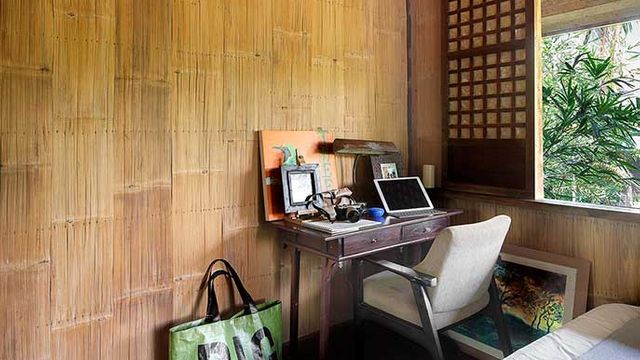
This is what the team behind Dama Ko, Lahi Ko is hoping to achieve. Dama Ko, Lahi Ko is a social movement that aims to resurface sincere pride in Filipino culture through the five senses: paningin, pang-amoy, pandinig, panlasa, and pansalat. A collaboration among movers within the private sector including Len Cabili of Filip+Inna, Esme Palaganas of Basic Movement, Herbert Hernandez of GIGIL, and Bambi Manosa of Museo Pambata, this initiative urges you to be more conscious of experiencing your culture every day. Whether it’s the adobo you ate for dinner or the feel of capiz shells decorating your window, Dama Ko, Lahi Ko wants you to talk about it both online and offline to push it up everyone’s social media feeds and personal conversations.
So, how do you contribute? It’s pretty simple. Share photos of your daily experiences online with the hashtag #damakolahiko as often as you can, and most especially on June 12. You can also head on to their website and download graphic assets for free. Use them in your blogs, on stickers, on images—anywhere, actually—as long as it helps bolster appreciation for what has always been yours by birthright.
Or if you want to do more, you can join the Dama Ko, Lahi Ko collective, and play an active role in helping your community remember how rich our culture is, and how our identity as a nation is shaped by it.
For more details about the movement, visit damakolahiko.com.