How to Properly Store Leftovers to Avoid Food Contamination
Here are easy hacks to help you deal with the aftermath of the holidays

If you’re one of those people who just can’t bear to let food go to waste, good for you. But that then begs the question: How does one store all the leftover food — especially if you’re going to pack ‘em all into a spatially challenged fridge? Here are some tips.
1. Leftovers should be stored within two hours.
The NHS (National Health Service) of UK recommends letting a dish cool down to room temperature before stowing it away. But contrary to popular belief, that’s not because placing food that’s still hot inside the ref will cause it to spoil; storing food before it has a chance to cool down will make your refrigerator work harder, thus hiking up your electric bill. And in reality, the longer you keep your food at room temperature, the higher the chances of bacteria developing AND thriving. So, as soon as possible, wrap up your leftovers and leave them to chill inside your fridge.

2. Label them properly.
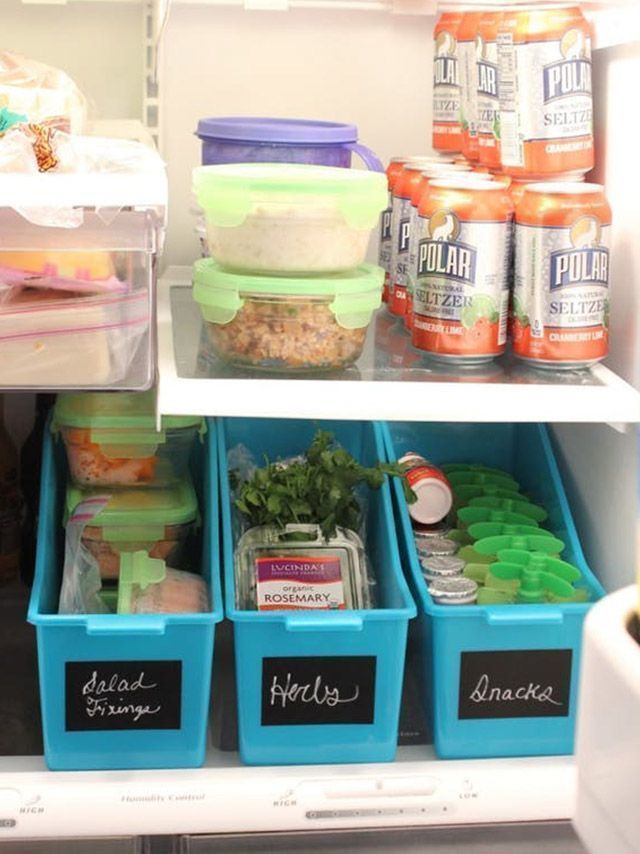
Okay, you might be using translucent (or even transparent) containers or film wrap for your leftovers, but given the condensation that happens inside the fridge, it can still get a little difficult to tell what exactly that congealed brown stuff is. Spare yourself the trouble and put labels on each container for easy ID-ing.
If you don’t like the additional task of labelling, use color-coded containers. For example, those with a red cover can be for meat, blue for fish and seafood, green for veggies, and so on. Another idea is to use sticky notes or non-toxic crayons to label your leftovers — they can easily be washed or wiped off, unlike stickers which can be quite a pain to remove.
3. Create zones.
Have a dedicated area in your ref solely for leftovers. Professional organizers recommend placing them right where they can be easily seen, and not stowed way out in the back. That way, you won’t forget — or neglect — them. Health experts also advise that leftover food be consumed within two days after storing.

4. Use stackable containers.
Think of shelving your leftovers as working on a jigsaw puzzle. Each piece must fit well, so say bye-bye to bowls and do away with oddly or irregularly shaped containers. It’s best to use rectangle- and/or square-shaped microwaveable containers — yes, those disposable ones — so you can easily store them, and then take out for heating, eating, and throwing away later on.
Of course, make sure that when you stack the leftovers, do so such that you can easily see the labels or what’s inside it.
5. Freeze if you must.
If you still have a ton of lechon left over from the holidays and you know you can’t polish it off within two days, just place it in your freezer instead. Make sure to wrap it in a well-sealed, airtight container to prevent juices and sauces from leaking out. Keep frozen at zero degrees and it’ll be good for up to four months.
Note: For frozen leftovers, thawing them at room temperature isn’t enough. You’ll have to reheat until it’s hot and steaming — that’s to ensure that it’s safe (i.e. bacteria-free) for consumption.
6. Use resealable bags.
Ziploc bags are ideal for storing leftovers — you can portion off dishes to serving size (instead of taking out the entire dish and then storing the leftovers from the leftover) while keeping bacteria out and retaining moisture. Plus, you won’t have to deal with various food odors mingling with each other.
7. Keep track of your leftovers.
Use a magnetic board, slap a Post-It note, or stick a piece of paper on the ref door where you can jot down the list of leftovers and when you first stored the items — this way, everyone can see which leftovers are still available. Update it regularly and by all means try to plan your weekly meal menu around them.
8. Arrange them according to their “best by” date.
As a rule of thumb, pizza, lasagna, and soups can be shelved in the fridge for 4 to 7 days; breads for 3 to 4 days; pies for 2 to 3 days; while ham can last for as long as a week. Place the easily perishable items at the front or create a special area for them (perhaps with a large, visible “Eat me first!” sign) so you know which ones to prioritize.